

Cyber Security for Beginners Step by Step: Complete Starter Guide
 Zahra_AlialialiMay 4, 20264 Mins read176
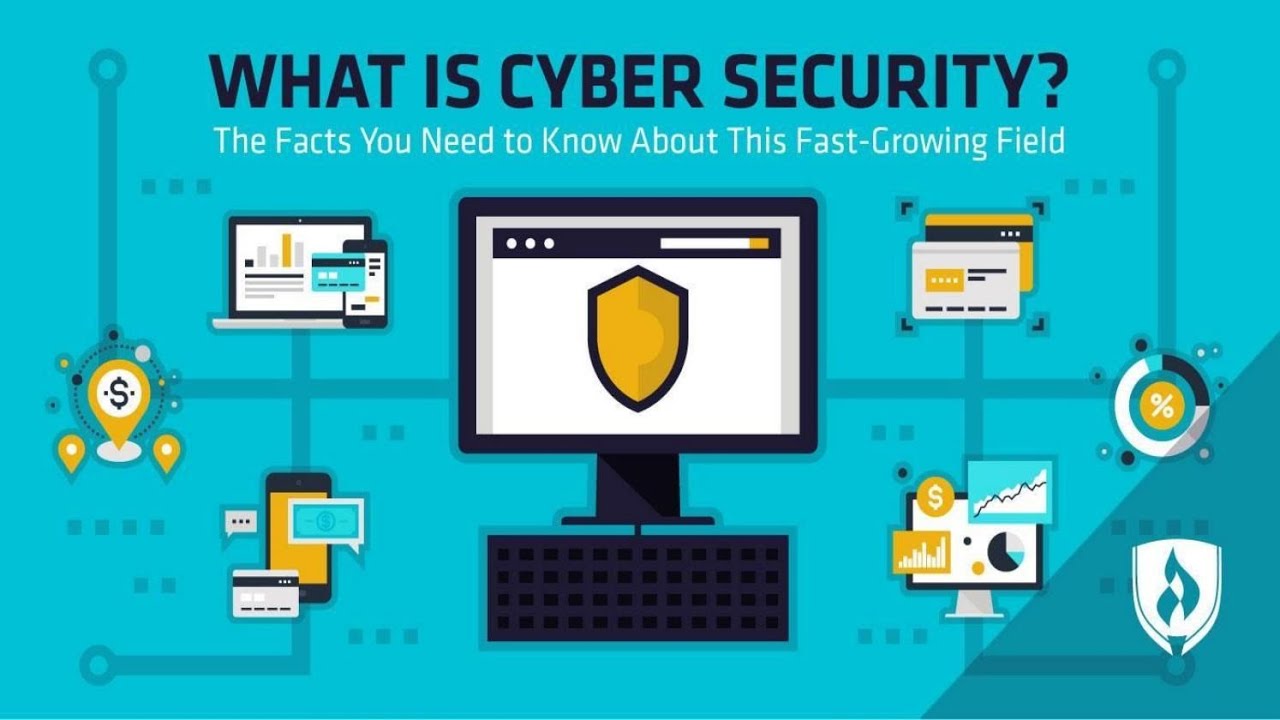
Cybersecurity is one of the most important skills in today’s digital world. From online banking to business websites, almost everything depends on secure systems. That is why many people want to learn cyber security for beginners step by step but do not know where to start.
If you are new to this field, don’t worry. You do not need to become an expert overnight. You only need a clear learning path, basic computer knowledge, and consistent practice. This guide explains the process in a simple and practical way.
What Is Cybersecurity?
Cybersecurity means protecting computers, networks, websites, applications, and data from digital attacks. These attacks can target personal information, business systems, financial details, or private files.
In simple words, cybersecurity helps keep digital information safe from hackers, malware, and unauthorized access. When learning cyber security for beginners step by step, you should first understand that this field is about protection, prevention, and smart defense.
Why Learn Cybersecurity?
Cyber threats are increasing every year. As a result, businesses need skilled people who can protect their systems. Learning cybersecurity can help you build a strong career and improve your personal online safety.
Key benefits include:
- High demand for cybersecurity professionals
- Strong career growth
- Good salary potential
- Ability to protect personal and business data
- Opportunity to work in different industries
Therefore, cybersecurity is a smart skill for beginners who want a future-proof career.
Step 1: Learn Basic Computer Knowledge
The first part of cyber security for beginners step by step is understanding computers. You should know how operating systems, files, software, and user accounts work.
Start with:
- How computers store data
- How software runs
- How users access systems
- Basic troubleshooting
- File and folder permissions
This foundation will make advanced topics much easier later.
Step 2: Understand Networking Basics
Networking is extremely important in cybersecurity. Most cyberattacks happen through networks, websites, or connected systems.
Focus on:
- IP addresses
- DNS
- Routers and switches
- TCP/IP
- Ports and protocols
- HTTP and HTTPS
Once you understand how devices communicate, you can better understand how attackers find weaknesses.
Step 3: Learn Operating Systems
A beginner should learn both Windows and Linux. Windows is widely used in businesses, while Linux is popular in cybersecurity and server environments.
Important topics include:
- User accounts
- File permissions
- Command line basics
- System updates
- Process management
Linux may feel difficult at first, but regular practice will make it easier.
Step 4: Learn Basic Programming
You do not need advanced coding skills at the beginning. However, programming helps you understand how software works and how vulnerabilities happen.
Start with:
- Python
- Bash scripting
- Basic JavaScript
- Basic SQL
Python is especially useful because beginners can learn it quickly. In addition, it helps with automation and security testing.
Step 5: Study Core Security Concepts
The next stage in cyber security for beginners step by step is learning basic security principles.
Important concepts include:
- Authentication
- Authorization
- Encryption
- Hashing
- Firewalls
- Malware
- Phishing
- Vulnerabilities
These topics help you understand how security systems work and why attacks succeed.
Step 6: Learn Common Cyber Threats
To protect systems, you must understand common threats. Beginners should learn how attacks happen at a basic level.
Common threats include:
- Phishing emails
- Malware infections
- Weak passwords
- Data breaches
- Social engineering
- Web application attacks
However, always study these topics from a defensive and legal perspective.
Step 7: Practice in a Safe Environment
Practice is essential. Reading alone is not enough. You should create a safe lab where you can learn without harming real systems.
You can use:
- VirtualBox or VMware
- Linux virtual machines
- Windows test machines
- Beginner cybersecurity labs
- Legal practice platforms
This hands-on practice helps you build real confidence.
Step 8: Learn Beginner-Friendly Tools
Cybersecurity professionals use tools to scan, monitor, and protect systems. Beginners should start with simple tools first.
Useful tools include:
- Wireshark for network analysis
- Nmap for basic scanning
- VirusTotal for file checking
- OWASP ZAP for web security testing
- Kali Linux for learning security tools
Remember, tools are helpful, but knowledge matters more than shortcuts.
Step 9: Build Good Security Habits
Cybersecurity is not only about tools. Daily habits also matter.
Follow these practices:
- Use strong passwords
- Enable two-factor authentication
- Keep software updated
- Avoid suspicious links
- Back up important files
- Use secure WiFi settings
These habits protect both personal and professional systems.
Step 10: Choose a Career Path
After learning cyber security for beginners step by step, you can choose a specific area.
Popular career paths include:
- Security Analyst
- Ethical Hacker
- Penetration Tester
- SOC Analyst
- Cloud Security Specialist
- Cybersecurity Consultant
Beginners often start with security analyst or SOC roles because they provide strong practical experience.
Common Mistakes Beginners Should Avoid
Many beginners make mistakes that slow down progress.
Avoid these:
- Skipping networking basics
- Learning tools without understanding concepts
- Trying advanced topics too early
- Ignoring legal rules
- Not practicing regularly
Instead, follow a clear path and stay consistent.
Conclusion
Learning cyber security for beginners step by step becomes easier when you follow the right order. Start with computer basics, networking, operating systems, programming, and security fundamentals. Then move into tools, practice labs, and career paths.
Cybersecurity takes time, but steady learning can build strong skills. If you stay consistent, practice safely, and focus on fundamentals, you can create a successful future in this growing field.
FAQs
1. What is cyber security for beginners step by step?
It is a structured way to learn cybersecurity from basics to practical skills.
2. Can I learn cybersecurity without experience?
Yes, beginners can start with computer basics, networking, and security fundamentals.
3. Do I need coding for cybersecurity?
Basic coding helps, but you do not need advanced programming at the start.
4. Which tool should beginners learn first?
Nmap, Wireshark, and basic Linux commands are good starting points.
5. How long does it take to learn cybersecurity?
It depends on practice, but beginners can build basic skills in a few months.
6. Is cybersecurity a good career?
Yes, it offers high demand, career growth, and strong salary potential.
7. Can I practice cybersecurity at home?
Yes, you can use virtual machines and legal practice platforms.
8. What should I learn first?
Start with computer basics, networking, and operating system fundamentals.








Email Security Best Practices: How to Protect Your Inbox from Modern Cyber Threats
Email remains one of the most widely used communication tools for individuals...
Zahra_Alialiali6 Mins read

Best Free Password Manager 2026: Top Secure Options Compared
Remembering dozens of strong and unique passwords has become nearly impossible. Most...
Zahra_Alialiali7 Mins read

Examples of Multi Factor Authentication: Complete Guide for 2026
Passwords alone are no longer enough to protect online accounts. Cybercriminals use...
Zahra_Alialiali7 Mins read

What Is XDR and EDR in Cyber Security? Complete Guide for 2026
Cyber threats are becoming more sophisticated every year, making traditional antivirus software...
Zahra_Alialiali7 Mins read





Leave a comment