

Living with Multiple Sclerosis: How a Rollator Can Help You Stay Active and Independent
 dianarangavesMarch 12, 20265 Mins read132
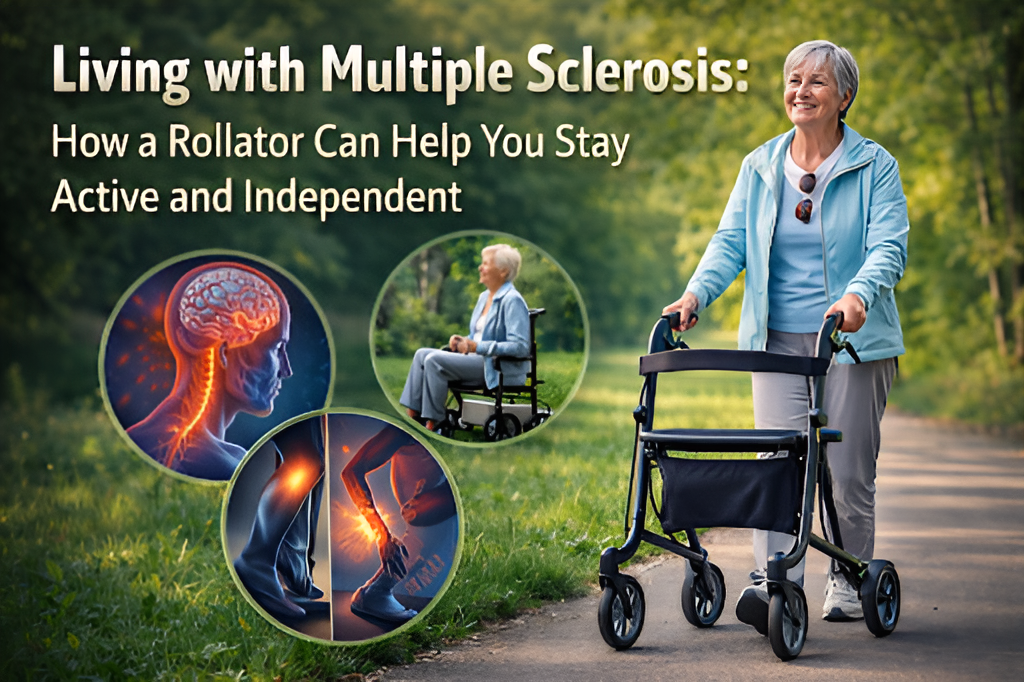
Multiple Sclerosis (MS) affects millions of people around the world. According to the World Health Organization and the MS Trust, between 1.8 million and 2.9 million people globally live with MS. In the UK alone, approximately 150,000 individuals are affected, with more than 7,000 new cases diagnosed each year.
MS can significantly impact many areas of daily life, including mobility, vision, balance, cognition, and emotional wellbeing. While the condition can affect people of any age, it is most commonly diagnosed in young adults and women.
For many individuals living with MS, maintaining mobility is one of the biggest challenges. Fortunately, assistive devices like rollators (wheeled walking aids) can make a meaningful difference—helping people stay active, safe, and independent.
In this article, we explore how MS affects movement and how rollators can support people living with the condition.
Understanding Multiple Sclerosis
Multiple Sclerosis is a neurological condition that affects the brain and spinal cord. It occurs when the immune system mistakenly attacks the protective layer around nerve fibers, disrupting communication between the brain and the rest of the body.
There are three main types of MS:
Relapsing-Remitting MS (RRMS)
This is the most common form. People experience periods of symptom flare-ups (relapses) followed by periods of recovery (remission). Over time, this type may progress into secondary progressive MS.
Secondary Progressive MS (SPMS)
In this stage, symptoms gradually worsen over time, even without clear relapses.
Primary Progressive MS (PPMS)
This type involves steadily worsening symptoms from the start, without distinct periods of remission.
Common Symptoms of Multiple Sclerosis
MS affects each person differently, but common symptoms include:
- Severe fatigue
- Blurred vision or eye pain
- Numbness or tingling in parts of the body
- Difficulty with balance and coordination
- Muscle stiffness, cramps, or spasms
- Bladder problems
- Memory or concentration difficulties
- Reduced mobility
Certain factors may increase the likelihood of developing MS, including genetics, smoking, age (20–50), and previous infection with the Epstein-Barr virus.
How MS Affects Walking and Mobility
One of the most challenging aspects of MS is its impact on mobility. Symptoms such as muscle weakness, balance problems, fatigue, and vision disturbances can make walking difficult or unpredictable.
For some individuals, walking may only be slightly affected. For others, even short distances can become physically exhausting or unsafe during flare-ups.
Although there is currently no cure for MS, treatment options have improved significantly. Therapies may include:
- Medication to manage symptoms
- Physical therapy to improve strength and coordination
- Cognitive behavioural therapy for emotional support
- Mobility aids to help maintain independence
Healthcare providers, including the NHS, often recommend mobility aids like rollators to help people manage daily activities more safely.
The Impact of MS on Daily Life
Living with MS often means adapting to physical limitations. Muscle stiffness, fatigue, and coordination problems can turn everyday tasks into significant challenges.
Activities that once felt simple, such as walking to the shop or meeting friends—may require extra effort or planning. Over time, these limitations can affect both physical and mental wellbeing. Many people with MS experience feelings of frustration or loss of independence.
Mobility aids can help address these challenges by providing support, safety, and confidence, allowing individuals to remain active and connected with their communities.
How Rollators Support People with Multiple Sclerosis
Rollators are walking aids equipped with wheels, hand brakes, and often a built-in seat. They are designed to improve stability and reduce strain while walking.
Here are some of the key ways they benefit people living with MS.
Improved Balance and Stability
MS can affect coordination and balance, increasing the risk of falls. A rollator provides multiple points of contact with the ground, offering greater stability when walking indoors or outdoors.
Relief from Fatigue
Fatigue is one of the most common symptoms of MS. Many rollators include a built-in seat, allowing users to sit and rest whenever needed.
This feature can be particularly helpful when fatigue appears suddenly.
Greater Independence
Using a rollator allows people to move around safely without relying heavily on others. The secure frame provides support, reducing the risk of injury from falls.
Reduced Physical Strain
Muscle cramps, stiffness, and spasms can make walking painful. A rollator helps redistribute body weight and reduce pressure on joints and muscles, making movement more comfortable.
Better Posture and Walking Form
Some individuals with MS develop posture or gait problems. A properly fitted rollator encourages upright posture and smoother walking movement, which may also reduce back pain.
Key Rollator Features That Benefit MS Patients
Modern rollators come with a variety of features designed to support individuals with mobility challenges.
Built-In Seats
Because fatigue can occur unexpectedly, having a seat available at any time can make a huge difference. It allows users to rest safely whenever they need.
Lightweight Design
MS symptoms can fluctuate, meaning strength levels may vary from day to day. Lightweight rollators are easier to lift, maneuver, and transport, making them practical for everyday use.
Four-Wheel Mobility
Four-wheel rollators move smoothly across different surfaces and require less lifting and effort, which is helpful for individuals experiencing fatigue or muscle weakness.
Hand Brakes for Safety
Reliable hand brakes allow users to maintain control, especially on slopes or uneven surfaces.
Upright Support Options
Forearm rollators offer additional support by allowing users to rest their forearms while walking. This design can help improve posture and reduce strain on the wrists and back.
Benefits Beyond Physical Support
While rollators primarily assist with mobility, their benefits extend far beyond physical support.
Improved Mental Wellbeing
Being able to move freely and leave the house can significantly boost mental health. A rollator helps people stay active and maintain social connections.
Staying Socially Active
Events, gatherings, and outdoor activities can feel daunting when mobility is uncertain. A rollator provides the confidence needed to continue participating in social life.
Restoring Confidence
Losing trust in your own physical ability can be difficult. Mobility aids can help rebuild that confidence by providing a reliable source of support.
Over time, many users feel more comfortable and secure moving independently again.
Choosing the Right Rollator for MS
Since MS symptoms vary widely, selecting the right rollator depends on individual needs.
Factors to consider include:
- Weight and portability
- Wheel size and terrain compatibility
- Seat availability
- Frame strength and durability
- Ease of folding and transportation
Lightweight rollators are often preferred because they are easier to manage during periods of fatigue. Larger wheels may be beneficial for outdoor use or uneven terrain.
Some individuals may also benefit from forearm rollators, which provide additional upper-body support.
Indoor, Outdoor, or All-Terrain Rollators
Choosing the right rollator also depends on how it will be used.
Indoor Rollators
- Designed for smaller spaces and narrow hallways
- Lightweight and easy to store
- Smaller wheels suitable for smooth surfaces
Outdoor Rollators
- Built for pavements, parks, and shopping areas
- Larger wheels for curbs and uneven ground
- Durable frames with strong braking systems
All-Terrain Rollators
- Ideal for rougher surfaces like gravel, grass, or trails
- Strong wheels and shock absorption
- Extra durability for outdoor adventures
Maintaining Independence with MS
Living with Multiple Sclerosis can present many challenges, but assistive technology continues to improve the quality of life for those affected.
Mobility aids like rollators allow individuals to stay active, safe, and engaged with the world around them. With the right support and equipment, many people with MS can maintain independence and continue enjoying everyday activities.
While MS may change how someone moves through the world, the right tools can help ensure they keep moving forward with confidence.






Can iPhone Hack? Truth, Risks, and How to Stay Safe
Many people believe that Apple devices are completely secure. However, the question...
 Zahra_Alialiali2 Mins read



Leave a comment