

Neuralink Brain Chip: What Happens Next?
 BeatrizOctober 7, 20263 Mins read48
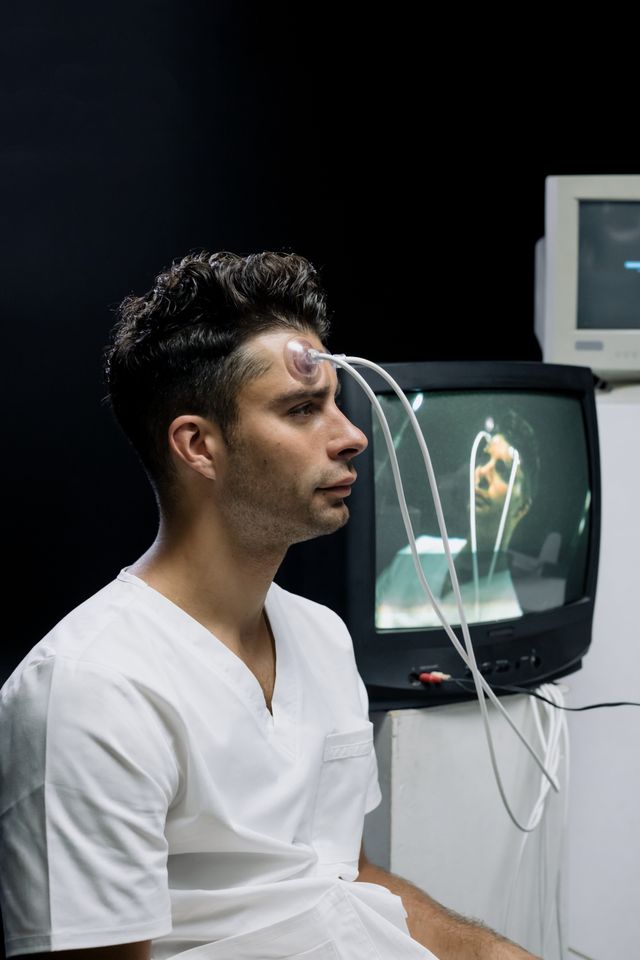
Imagine a paralyzed patient sitting quietly in front of a computer screen. Without lifting a finger or speaking a single word, they begin playing a video game, moving a digital cursor, or typing messages directly onto a display using only their thoughts.
This sounds like a scene straight out of a cyberpunk science fiction novel. Yet, with the groundbreaking human clinical trials conducted by Neuralink, this futuristic concept has firmly entered reality. Brain-computer interfaces are no longer theoretical ideas discussed only in academic papers. They are active, physical hardware implanted inside human bodies.
As Elon Musk’s company and rival neurotech startups push the boundaries of medicine and computing, a massive question looms: When a microchip is successfully merged with human neural tissue, what happens next?
The Technology Inside the Skull
To understand the future of this technology, we must first look at what a Neuralink implant actually does. The device, often called the N1 chip, is a coin-sized computer designed to be surgically embedded into a region of the brain that controls movement intentions.
Tiny, ultra-flexible threads, much thinner than a human hair, are carefully stitched into brain tissue by a surgical robot. These microscopic threads contain over a thousand electrodes that monitor neural activity. They capture electrical signals firing from neurons, translate those patterns into digital commands, and beam them wirelessly to external computers or phones.
For individuals who have severe paralysis due to spinal cord injuries or debilitating conditions like ALS, this breakthrough offers unprecedented hope. Restoring independence by allowing people to control digital prosthetics, wheelchairs, or computers with their minds is a monumental medical triumph.
However, merging human cognition directly with digital systems also blurs the line between medical treatment and human enhancement.
From Medical Marvel to Ethical Minefield
While restoring lost physical function is a noble goal, the rapid commercialization of neurotechnology raises profound ethical and privacy concerns. When a brain-computer interface can read, record, and interpret neural firing patterns, it opens up an entirely new frontier of data harvesting.
Consider how invasive modern technology already feels. Just as consumers grow increasingly uneasy when hidden TV spy software records living room habits or when algorithms track every digital click to serve a hyper-personalized targeted advertisement, the prospect of corporate or government access to raw brain data is deeply unsettling.
If a device connected to a Neuralink system can eventually decode thoughts, intentions, or emotional responses, who owns that data? Unlike your web browsing history or smartphone location, your thoughts represent the absolute last sanctuary of human privacy. Without rigorous legal protections and strict regulatory boundaries, neural data could become the ultimate commodity for advertisers and corporate entities.
The Broader Impact of Human Augmentation
The implications of implantable brain tech extend far beyond medical clinics. As hardware becomes more advanced, consumer-facing neurotechnology could eventually promise enhanced memory, lightning-fast cognitive processing, or direct integration with artificial intelligence assistants.
Yet, this relentless drive toward human-machine integration mirrors other complex debates in the tech world. Just as society wrestles with the rapid rise of AI Managers tracking worker productivity down to the microsecond, or debates whether generative algorithms serve as a helpful assistant or a weakening intellectual crutch, we must ask ourselves where human autonomy ends, and machine dependence begins.
Furthermore, high-tech augmentation risks creating a deep socioeconomic divide. If cognitive enhancements become available only to those who can afford expensive neural procedures, society could see a biological-tier system in which unenhanced humans struggle to compete in an AI-driven workforce.
What Happens Next?
The milestone of successfully implanting a chip into a human brain marks the end of science fiction and the beginning of a complex new era. In the near term, Neuralink and its competitors will focus heavily on refining medical applications, seeking regulatory approvals, and proving the long-term safety of implanted hardware.
In the long term, however, society will have to confront the philosophical and legal realities of being a cyborg species. Ensuring that neurotechnology remains safely in the realm of healing, while fiercely protecting mental privacy and human dignity, will be one of the defining challenges of the twenty-first century.
The Bottom Line
Brain-computer interfaces hold the miraculous power to heal paralyzed bodies and restore lost human connections. At the same time, they force us to confront uncomfortable questions about privacy, identity, and the corporate ownership of human thoughts. As neural technology continues to evolve, our greatest task will not be building smarter chips, but preserving what makes us fundamentally human.






Hidden Wi-Fi Networks: A Cybersecurity Risk or Smart Protection?
When setting up a home wireless router, most people eventually notice an...
Beatriz2 Mins read

Who Owns the Copyright to AI-Generated Images?
If AI Generates an Image, Who Owns the Copyright? The User, the...
Beatriz3 Mins read

Your Smart Doorbell Is an Open Window for Hackers – Lock It in 30 Seconds
Think about your front porch. You likely installed a sleek smart doorbell...
Beatriz2 Mins read

Is AI Workplace Surveillance Becoming Digital Slavery?
Imagine sitting at your desk or standing in a massive warehouse while...
Beatriz2 Mins read





Leave a comment