

Cloud Workload Protection Platform: Complete Guide
 Zahra_AlialialiOctober 7, 20267 Mins read26
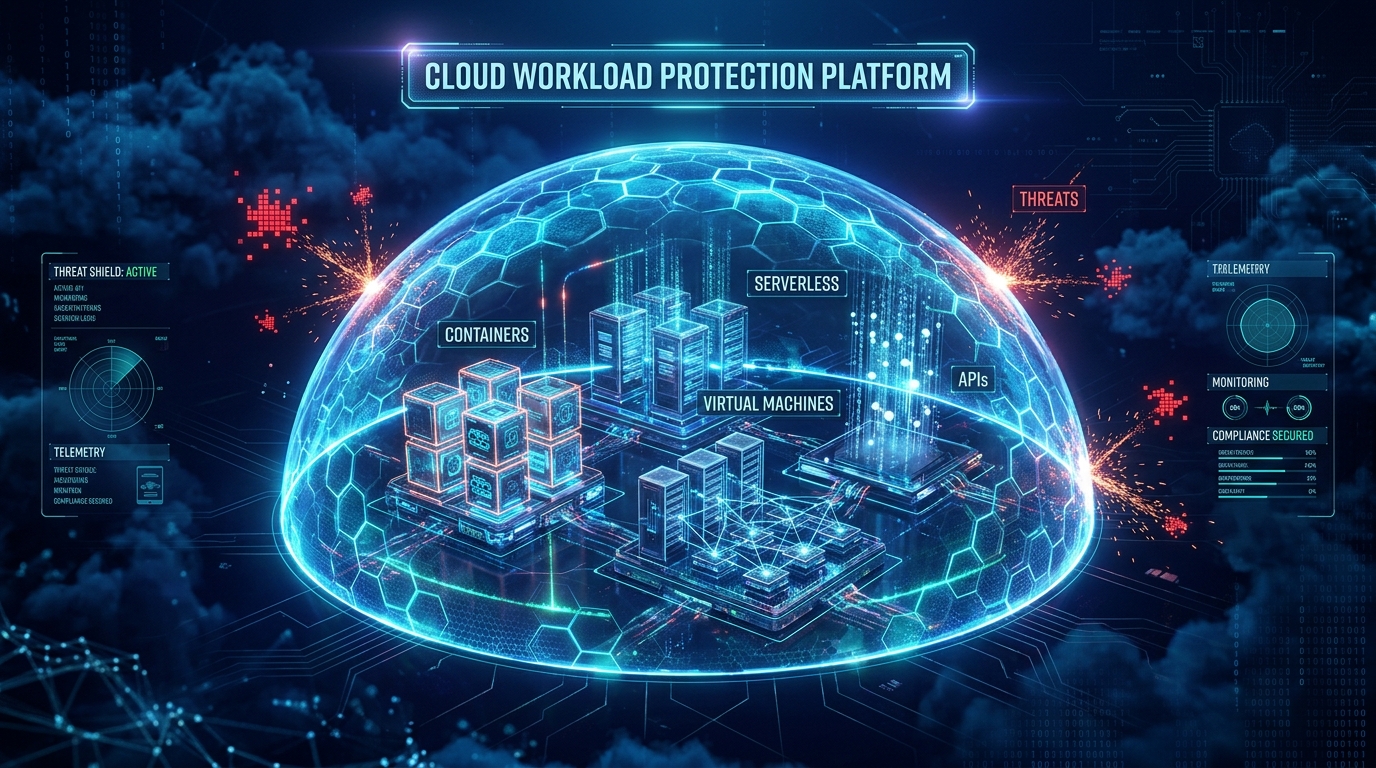
Cloud computing has changed how organizations build, deploy, and manage applications. Businesses now run workloads across public clouds, private clouds, containers, Kubernetes clusters, virtual machines, and serverless environments.
This flexibility also creates new security challenges. Cloud workloads can contain vulnerabilities, misconfigurations, malicious processes, exposed credentials, and unauthorized activity.
Traditional security tools may not provide enough visibility across these modern environments. Organizations therefore need security technologies designed specifically for protecting cloud workloads.
This is where a cloud workload protection platform becomes useful.
A cloud workload protection platform, commonly abbreviated as CWPP, helps organizations secure workloads running in cloud and hybrid environments. Depending on the platform, it can provide vulnerability management, runtime protection, malware detection, behavioral monitoring, workload visibility, and other security capabilities.
Organizations can combine CWPP with broader cloud security tips to create multiple layers of protection across their cloud environments.
This guide explains what CWPP means, how it works, which workloads it protects, key features, differences from related technologies, benefits, challenges, and implementation best practices.
What Is a Cloud Workload Protection Platform?
A cloud workload protection platform is a security solution designed to protect workloads running in cloud and hybrid environments.
A workload can include different types of computing resources, such as:
- Virtual machines
- Containers
- Kubernetes workloads
- Serverless functions
- Cloud-native applications
- Application processes
CWPP provides security visibility and protection throughout the workload lifecycle.
Depending on the platform, capabilities may include:
- Vulnerability assessment
- Runtime protection
- Malware detection
- Behavioral monitoring
- Configuration monitoring
- Workload inventory
- Threat detection
- Compliance support
The exact features vary between platforms, so organizations should evaluate products according to their environment and security requirements.
What Does CWPP Mean?
CWPP stands for Cloud Workload Protection Platform.
The term describes a security approach focused on protecting workloads rather than only protecting the underlying cloud infrastructure.
This distinction matters because cloud environments are dynamic.
A workload may:
- Move between hosts
- Scale automatically
- Start and stop frequently
- Use temporary resources
- Communicate with multiple cloud services
CWPP solutions are designed to provide security visibility despite this changing environment.
Why Do Cloud Workloads Need Protection?
Cloud workloads can face many of the same threats as traditional systems, along with cloud-specific risks.
Potential threats include:
- Malware
- Vulnerable software
- Credential theft
- Privilege abuse
- Exploitation attempts
- Malicious processes
- Unauthorized access
- Data theft
Cloud environments can also change rapidly.
A developer might create a new workload today that did not exist yesterday. Without continuous visibility, security teams may not know that the resource exists or whether it contains vulnerabilities.
A CWPP can help security teams maintain visibility and apply security controls as workloads change.
How Does a Cloud Workload Protection Platform Work?
CWPP solutions generally combine several security capabilities.
Workload Discovery
The platform identifies workloads across supported cloud environments.
It may discover:
- Virtual machines
- Containers
- Kubernetes resources
- Applications
- Processes
This creates an inventory that security teams can use to understand their environment.
Vulnerability Assessment
CWPP can identify vulnerable software and packages within workloads.
For example, a workload may contain an outdated library with a known vulnerability.
Security teams can use this information to prioritize remediation.
Runtime Protection
Runtime protection monitors workloads while they are operating.
It can look for suspicious activity such as:
- Unexpected processes
- Abnormal system behavior
- Suspicious network connections
- Unauthorized changes
Runtime monitoring is particularly useful because not every threat can be identified before deployment.
Behavioral Monitoring
Instead of relying only on known signatures, some platforms analyze workload behavior.
For example, a normally inactive application suddenly attempting unusual system operations may trigger an alert.
Behavioral detection can help identify suspicious activity that does not match previously known malware signatures.
What Types of Workloads Does CWPP Protect?
One advantage of modern cloud workload security is its ability to support different workload types.
Virtual Machines
Virtual machines remain common in cloud environments.
CWPP can help monitor:
- Operating systems
- Applications
- Processes
- Network activity
- Vulnerabilities
Containers
Containers introduce unique security considerations because applications and dependencies are packaged together.
CWPP can help identify:
- Vulnerable packages
- Suspicious container behavior
- Risky configurations
- Runtime threats
Kubernetes
Kubernetes environments can contain many rapidly changing workloads.
Security teams need visibility across:
- Pods
- Containers
- Nodes
- Workloads
- Network activity
CWPP can provide additional security monitoring for Kubernetes environments.
Serverless Workloads
Serverless functions can execute for short periods and scale automatically.
Their temporary nature can make traditional monitoring approaches more difficult.
CWPP capabilities may help organizations monitor vulnerabilities and suspicious behavior within supported serverless environments.
Key Features of a Cloud Workload Protection Platform
CWPP capabilities vary, but several features are commonly associated with workload protection.
Vulnerability Management
Identifies known vulnerabilities in workload software and dependencies.
Runtime Threat Detection
Monitors workloads for suspicious activity while they are running.
Malware Protection
Detects potentially malicious files or processes.
Workload Visibility
Provides information about workloads operating across cloud environments.
Behavioral Analysis
Identifies unusual activity that may indicate compromise.
Network Monitoring
Examines workload communication for potentially suspicious connections.
Identity and Access Monitoring
Helps identify unusual access and privilege-related activity.
Compliance Support
Some platforms provide controls and reporting that can help organizations evaluate compliance requirements.
CWPP vs CSPM
CWPP and Cloud Security Posture Management (CSPM) address different areas of cloud security.
CSPM primarily focuses on identifying cloud configuration and posture risks.
Examples include:
- Publicly exposed storage
- Weak cloud configurations
- Excessive permissions
- Security policy violations
CWPP focuses more directly on protecting workloads.
For example:
- Vulnerable applications
- Malicious processes
- Runtime attacks
- Workload behavior
Organizations may use both technologies because configuration security and workload protection address different risk areas.
CWPP vs EDR
Endpoint Detection and Response (EDR) traditionally focuses on detecting and responding to threats on endpoints such as computers and servers.
CWPP is designed specifically around cloud workload environments.
There can be overlap between their capabilities, including:
- Malware detection
- Behavioral monitoring
- Process analysis
- Threat detection
However, cloud environments introduce additional requirements involving containers, orchestration platforms, cloud APIs, and highly dynamic workloads.
Some modern security platforms combine capabilities across these categories.
CWPP vs CNAPP
Cloud-Native Application Protection Platform (CNAPP) is a broader security approach that brings together multiple cloud security capabilities.
A CNAPP may incorporate areas such as:
- Cloud posture management
- Workload protection
- Application security
- Identity security
- Infrastructure-as-code security
CWPP can therefore be viewed as one important component within a broader cloud-native security strategy.
Organizations should evaluate whether they need a dedicated workload protection solution or a broader platform based on their architecture.
Benefits of Cloud Workload Protection Platforms
Better Cloud Visibility
Security teams can gain a clearer view of workloads across different environments.
Earlier Vulnerability Detection
Teams can identify vulnerable software before attackers exploit it.
Runtime Protection
Organizations can monitor workloads while they operate.
Faster Threat Detection
Behavioral monitoring can help identify suspicious activity.
Centralized Security
Security teams can manage workload protection across multiple cloud environments through a centralized platform.
Improved Risk Management
Security teams can prioritize workload vulnerabilities and threats based on their potential impact.
Common Cloud Workload Security Challenges
Rapidly Changing Environments
Cloud workloads can appear and disappear quickly.
Security controls must keep pace with these changes.
Multi-Cloud Complexity
Organizations using multiple cloud providers may need consistent visibility across different environments.
Container Sprawl
Large organizations can run thousands of containers and workloads.
Tracking all of them can become difficult without automation.
Alert Overload
Security tools can generate large numbers of alerts.
Teams need effective prioritization to focus on meaningful threats.
Integration Challenges
CWPP may need to integrate with:
- Cloud platforms
- CI/CD systems
- SIEM
- EDR/XDR
- Identity systems
- Security orchestration platforms
How to Implement CWPP
Organizations should begin with a clear understanding of their cloud environment.
Identify Your Workloads
Create an inventory of:
- Virtual machines
- Containers
- Kubernetes environments
- Serverless applications
- Critical cloud applications
Identify Security Requirements
Determine which risks require the most attention.
For example:
- Vulnerable workloads
- Runtime threats
- Malware
- Unauthorized access
Integrate With Existing Security Tools
Connect workload protection with systems such as SIEM and security orchestration platforms.
This can help security teams correlate workload alerts with broader security events.
Prioritize Critical Workloads
Not every workload has the same business impact.
Prioritize systems containing:
- Sensitive information
- Customer data
- Financial information
- Critical applications
Monitor Continuously
Cloud security should not end after deployment.
Workloads and their dependencies can change over time, so continuous monitoring is important.
Cloud Workload Protection Best Practices
Organizations can improve workload security by:
- Maintaining accurate workload inventories
- Scanning images before deployment
- Monitoring runtime behavior
- Patching vulnerable components
- Applying least privilege
- Protecting secrets
- Segmenting sensitive workloads
- Monitoring network activity
- Integrating security into CI/CD
- Reviewing security alerts regularly
Security teams should also connect workload protection with cloud detection and response to improve investigation and response when suspicious activity occurs.
Common CWPP Mistakes
Protecting Only Production
Development and testing environments can also contain sensitive information and vulnerable software.
Ignoring Containers
Containerized workloads require specific security controls.
Relying Only on Vulnerability Scanning
Finding vulnerabilities is important, but organizations also need runtime protection and monitoring.
Ignoring Identity
Compromised cloud identities can provide attackers with access to workloads.
Failing to Prioritize
Treating every vulnerability as equally urgent can overwhelm security teams.
Cloud Workload Protection Checklist
Organizations can use this checklist:
- Inventory cloud workloads.
- Identify critical applications.
- Scan workload images.
- Monitor runtime activity.
- Detect malware and suspicious processes.
- Patch vulnerable software.
- Protect secrets.
- Apply least privilege.
- Monitor workload network activity.
- Secure Kubernetes environments.
- Integrate with SIEM and response tools.
- Review alerts regularly.
- Continuously reassess cloud exposure.
Future of Cloud Workload Protection
Cloud environments will continue becoming more dynamic as organizations adopt:
- Containers
- Kubernetes
- Serverless computing
- Artificial intelligence
- Multi-cloud architectures
- Cloud-native applications
Artificial intelligence may help CWPP technologies analyze workload behavior, prioritize vulnerabilities, and identify suspicious activity more efficiently.
Security platforms will also increasingly combine workload protection with broader cloud security capabilities.
This convergence can give organizations a more complete view of their cloud risk instead of forcing security teams to manage every security function separately.
Conclusion
A cloud workload protection platform helps organizations protect applications and workloads running in modern cloud environments.
CWPP can provide workload visibility, vulnerability assessment, runtime protection, malware detection, behavioral monitoring, and other security capabilities. It can protect environments containing virtual machines, containers, Kubernetes workloads, and supported serverless applications.
However, CWPP should not operate in isolation. Organizations need to combine workload protection with secure configurations, identity controls, vulnerability management, monitoring, and incident response.
Connecting CWPP with continuous threat exposure management can also help organizations identify, prioritize, and reduce security weaknesses across their broader environment.
Ultimately, effective cloud workload protection requires continuous visibility and layered security. As cloud environments become more complex, protecting workloads throughout their lifecycle will remain an important part of modern cybersecurity.
FAQs
What is a cloud workload protection platform?
A cloud workload protection platform, or CWPP, is a security solution designed to protect workloads such as virtual machines, containers, Kubernetes workloads, and supported serverless applications.
What does CWPP stand for?
CWPP stands for Cloud Workload Protection Platform.
What does a CWPP protect?
A CWPP can protect different types of cloud workloads, including virtual machines, containers, Kubernetes workloads, and cloud-native applications, depending on the platform.
What is the difference between CWPP and CSPM?
CSPM primarily focuses on cloud configuration and security posture, while CWPP focuses on protecting workloads and detecting threats affecting them.
Is CWPP the same as EDR?
No. EDR primarily focuses on endpoint detection and response, while CWPP is designed around protecting workloads in cloud and hybrid environments. Some security platforms provide overlapping capabilities.
Does CWPP protect Kubernetes?
Many CWPP solutions provide capabilities for protecting Kubernetes and containerized workloads, including vulnerability scanning and runtime monitoring.
Why is runtime protection important for cloud workloads?
Runtime protection monitors workloads while they operate and can help detect suspicious processes, unexpected changes, and potentially malicious behavior.
Is CWPP part of CNAPP?
CWPP is commonly considered an important component of broader cloud-native application security strategies. CNAPP can combine workload protection with other cloud security capabilities such as posture management and application security.






Cloud Access Security Broker: Complete Guide
Cloud applications have become essential for modern businesses. Employees use SaaS platforms...
Zahra_Alialiali8 Mins read

SOAR Security Explained: A Beginner’s Guide
Security operations teams often manage many different tools at the same time....
Zahra_Alialiali7 Mins read
Security Orchestration Automation and Response
Security teams often use dozens of cybersecurity tools to protect an organization....
Zahra_Alialiali7 Mins read

Threat Intelligence Platforms: Complete Guide
Modern security teams deal with enormous amounts of cybersecurity information. New vulnerabilities...
Zahra_Alialiali8 Mins read





Leave a comment