

GrapheneOS Explained: Privacy, Security, and Legal Debate
 BeatrizJuly 28, 20262 Mins read222
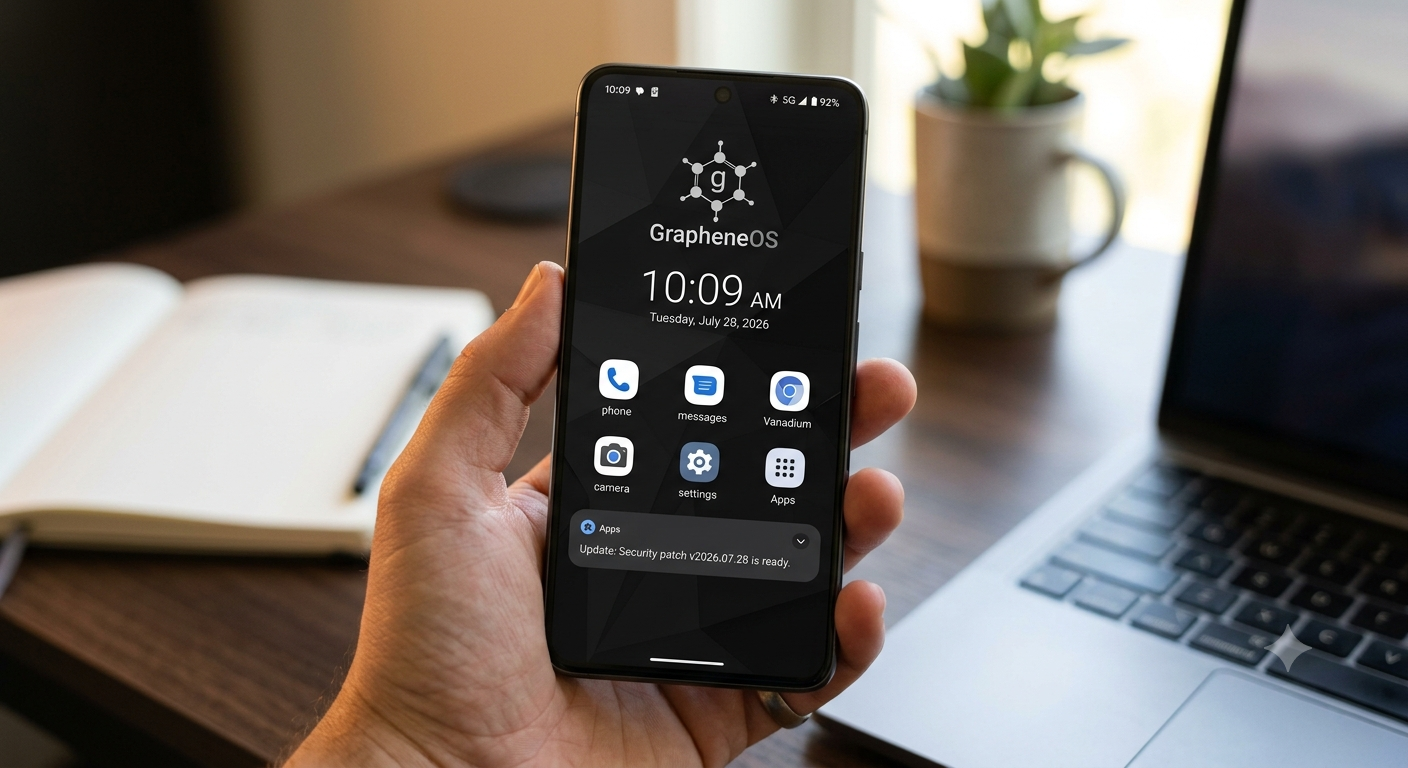
The intersection of mobile privacy engineering and law enforcement access has reached a dramatic flashpoint. Built as an open-source, security-hardened Android operating system tailored for Google Pixel hardware, GrapheneOS strips out invasive telemetry and offers advanced cryptographic protections.
However, as privacy software becomes more sophisticated, law enforcement agencies and prosecutors are increasingly viewing the use of hardened operating systems through a suspicious lens. A high-profile federal prosecution in Atlanta has ignited a broader legal debate over whether utilizing native privacy features can be criminalized as evidence destruction, reports TechSpot.
Core Privacy Architecture: What Makes GrapheneOS Unique?
GrapheneOS is designed to defend against sophisticated zero-day exploits and unwanted physical access. Rather than relying on third-party security apps, the operating system hardens the Android Open Source Project (AOSP) from the ground up:
- Sandboxed Google Play Services: Google services run as unprivileged, sandboxed apps without root system access, preventing silent background data collection.
- Hardened App Sandboxing and Permissions: Users can toggle network access, sensor permissions, and storage scopes per application, isolating software components completely.
- Exploit Mitigations: Advanced memory allocation controls make zero-day memory corruption attacks significantly harder to execute.
- Duress PINs and Auto-Reboot: The OS includes built-in protective triggers. Entering a specific duress PIN instantly purges cryptographic keys and wipes local storage, while auto-reboot timers revert the phone to an unauthenticated state after periods of inactivity.
The Legal Flashpoint: Duress Wipes and Border Searches
The privacy community faces an unprecedented legal precedent following a federal case stemming from a search at Hartsfield-Jackson Atlanta International Airport. When border agents requested access to a passenger’s GrapheneOS-equipped smartphone, entering a passcode triggered a system wipe that erased the device’s contents.
Federal prosecutors subsequently charged the individual under a statute prohibiting the destruction of property to prevent government seizure. Privacy advocates and civil liberties organizations warn that this legal strategy creates dangerous implications:
- Criminalizing Security Features: Treating the activation of built-in cryptographic security or duress mechanisms as criminal evidence destruction sets a troubling precedent for software developers and end users alike.
- Profiling Privacy Users: International law enforcement bodies have increasingly profiled individuals carrying Pixel hardware running alternative operating systems, treating privacy tools as presumptive evidence of unlawful activity.
- Warrantless Search Boundaries: International ports of entry feature broader search authorities, creating a direct conflict between individual Fourth Amendment rights and mandatory device inspections.
Technical Governance and Endpoint Security
The legal battle surrounding GrapheneOS highlights broader security realities across enterprise environments. Operating custom or hardened mobile operating systems across corporate networks proves that ai transformation and mobile privacy is a problem of governance.
When employees or contractors connect non-standard hardware to corporate resources, security teams must manage significant compliance and identity risks. Organizations navigating unmanaged hardware must enforce strict Zero Trust verification policies and containerized BYOD frameworks to protect corporate data boundaries without infringing on individual user privacy.
To protect your corporate perimeter against emerging threats and physical security risks, IT leads must constantly monitor endpoint vulnerabilities. Reviewing our analysis of the latest Microsoft patches ensures that your core directory and identity servers remain fully protected against unauthorized network access.
Furthermore, to discover how automated workflows can help manage complex endpoint policies across your organization, review our comprehensive guide on ai automation tools. You can also stay informed on shifting privacy laws and security releases by bookmarking our latest technology news network.
The Bottom Line
GrapheneOS represents a peak achievement in open-source mobile security, offering unparalleled defense against physical and remote surveillance. However, the emerging legal landscape demonstrates that adopting extreme privacy software comes with growing regulatory and legal scrutiny. As courts determine where individual privacy rights end and government search authority begins, organizations and individuals must navigate mobile security with a clear understanding of both technical and legal boundaries.








The Era of Home Drone Surveillance: What This Means for Your Home Security
The Era of Home Drone Surveillance: What This Means for Your Home...
Beatriz4 Mins read

How to Protect Yourself from QR Code Scams
How to Protect Yourself from QR Code Scams You are at a...
Beatriz4 Mins read

Cryptocurrency: How Safe Is This Technology?
Cryptocurrency has changed how people send, receive, and invest money. It allows...
Beatriz3 Mins read

Neural Networks: How They Quietly Run Your Daily Life
The Code That Reads Your Mind: How Neural Networks Quietly Run Your...
Beatriz4 Mins read





Leave a comment