

The Era of Home Drone Surveillance: What This Means for Your Home Security
 BeatrizNovember 11, 20264 Mins read58
The Era of Home Drone Surveillance: What This Means for Your Home Security
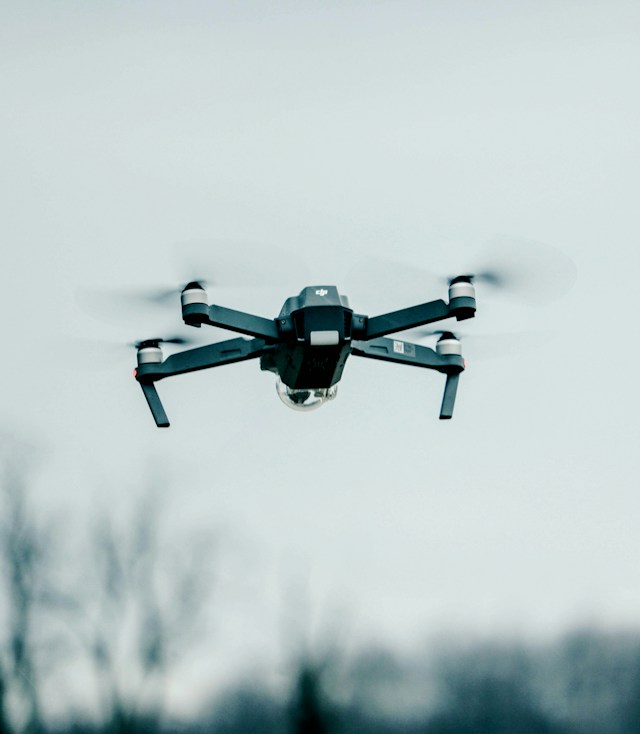
Imagine hearing a noise downstairs at night. Instead of checking every room yourself, a small drone leaves its charging station and flies through your home. It checks the area and sends video to your phone.
This type of home security is becoming more of a reality. Amazon’s Ring has introduced a flying indoor security camera called the Ring Drone Cam. The device can move between rooms and investigate possible security threats.
But while home drones may improve security, they also raise important questions about privacy, safety, and who can access the footage.
What Is the Ring Drone Cam?
Amazon’s Ring unveiled its $250 Ring Drone Cam on November 10, 2026. The device is designed to fly inside a home and check areas where suspicious activity may have occurred.
It can follow a preset route when a connected alarm or sensor detects activity around doors, windows, or other security devices. Users can also send it out manually.
The drone can record during the day and at night. It can fly for up to eight minutes before returning to its charging dock.
Ring says the device is designed for indoor use. It also includes controls intended to prevent it from flying outside.
The company plans to begin shipping the Ring Drone Cam in the United States on January 27, 2027, subject to approval from the Federal Communications Commission.
How a Drone Cam Could Change Home Security
Traditional home security cameras usually stay in one place. They can record a doorway, living room, or outdoor area, but they cannot move around to investigate activity.
A drone cam offers a different approach.
1. It can investigate suspicious activity
If a motion sensor detects movement in the hallway, the drone can fly there and record what is happening. This may help homeowners check an area without entering it themselves.
2. It can monitor several rooms
Instead of installing a separate camera in every room, a moving drone can check different parts of the house. This may reduce the number of fixed cameras a household needs.
3. It can provide night monitoring
The Ring Drone Cam can capture footage at night. This could help homeowners investigate unusual activity when the house is dark.
4. It may discourage intruders
The drone has built-in lights and makes a noticeable buzzing sound when flying. These features may draw attention to the home’s presence and discourage someone from entering or moving around it.
However, a drone cannot guarantee that a break-in will be prevented. It is a monitoring tool, not a replacement for strong doors, locks, alarms, or emergency services.
The Privacy Risks of a Home Drone Cam
A drone that moves around your home creates different privacy concerns from a camera fixed to a wall.
For example, a drone may enter bedrooms, children’s rooms, or other private spaces while checking an alarm. Family members and visitors may feel uncomfortable knowing that a camera can move around them.
There are also questions about recorded footage. Homeowners should understand where videos are stored, who can access them, how long they are kept, and whether they are shared with other parties.
Ring says its devices use visible LED lights to show when recording is taking place. This is useful, but users should still review the privacy settings before using the device.
It is also important to consider visitors, domestic workers, and children. They should know when indoor surveillance is taking place and which areas may be recorded.
Ring’s Rover Cam Brings Mobile Surveillance to Businesses
Ring also introduced the $1,000 Ring Rover Cam, a security robot designed for workplaces.
Unlike the flying Drone Cam, the Rover Cam moves on wheels. It is designed to patrol places such as offices and warehouses.
The device has a camera, two-way audio, a siren, and lights that help users track its location.
For example, a warehouse manager could use the robot to check an area after a security alarm goes off. This could help staff investigate activity without immediately walking into an unfamiliar space.
The two devices illustrate how companies are exploring mobile cameras for use in homes and businesses.
How to Use Home Surveillance Drones Safely
If you are considering a drone cam or another smart security device, take these steps:
- Check privacy settings: Understand when the camera records and where footage is stored.
- Secure your account: Use a strong, unique password and enable multi-factor authentication.
- Update the device: Install software updates to fix known security weaknesses.
- Control access: Only allow trusted people to view or manage your cameras.
- Set privacy zones: Keep cameras away from private areas where monitoring is unnecessary.
- Inform visitors: Make sure guests and household members understand how indoor cameras work.
You can learn more about protecting connected devices in our guide to cybersecurity trends in 2026. Our article on computer antivirus software explains how security tools protect devices. You can also read about how VPNs work and about online privacy to better understand other aspects of digital privacy.
Bottom Line
Home security is entering a new stage. Devices such as the Ring Drone Cam could help people investigate suspicious activity without having to check every room themselves.
However, mobile cameras also bring privacy and cybersecurity concerns. Before bringing a drone into your home, understand how it records, stores, and shares information.
The goal should be to make your home safer without giving up your family’s privacy.
Frequently Asked Questions
Can a home security drone fly outside?
The Ring Drone Cam is designed for indoor use. Ring says it has controls to prevent outdoor flight.
How long can the Ring Drone Cam fly?
It can fly for up to eight minutes before returning to its charging dock.
Does a home drone replace traditional security cameras?
Not completely. A drone can investigate different rooms, but fixed cameras, alarms, strong locks, and other security measures still have important roles.






Post-Quantum Cryptography: Complete Guide
Modern businesses rely on encryption to protect financial information, passwords, communications, customer...
 Zahra_Alialiali6 Mins read

CVE vs CWE: What’s the Difference?
Cybersecurity teams use many systems to identify and describe security problems. Two...
Zahra_Alialiali5 Mins read
How to Protect Yourself from QR Code Scams
How to Protect Yourself from QR Code Scams You are at a...
Beatriz4 Mins read

Cryptocurrency: How Safe Is This Technology?
Cryptocurrency has changed how people send, receive, and invest money. It allows...
Beatriz3 Mins read





Leave a comment