

Do AirTags Use GPS? How Apple’s Tracking Technology Works
 BeatrizOctober 10, 20263 Mins read26
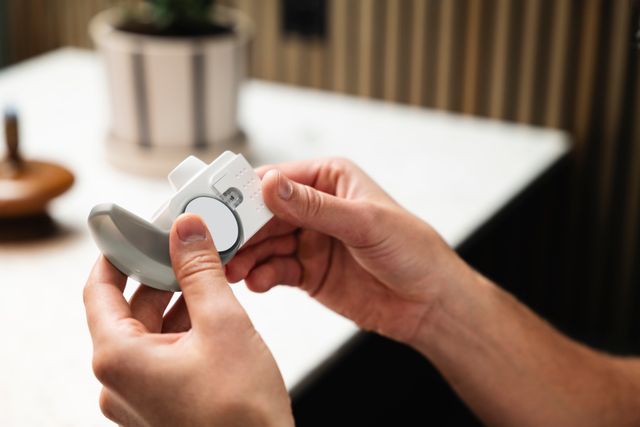
Imagine misplacing your keys, wallet, or luggage while traveling, only to open your phone and track the missing item across the globe. Apple’s AirTag makes this kind of tracking look like absolute magic. Because these small, quarter-sized devices have become so popular for keeping tabs on everyday valuables, many people assume they function like high-tech satellite navigators.
So, how do AirTags actually work? More importantly, do they use built-in GPS and cellular internet to track your items?
The short answer might surprise you: AirTags do not have GPS, and they do not connect directly to the internet.
The Myth of GPS and Cellular Data
When people see an item tracked across a map from hundreds of miles away, they naturally assume the tracker relies on satellite GPS and a cellular internet connection, much like a smartphone or a car navigation system.
However, an AirTag contains none of that hardware. It has no GPS chip, no Wi-Fi radio, no cellular modem, and no SIM card.
There are two major reasons Apple designed AirTags this way:
- Battery Life: True GPS chips and cellular transmitters consume massive amounts of power. If an AirTag continuously used GPS and cellular data, its battery would die in a matter of days instead of lasting over a year on a standard coin-cell battery.
- Cost and Size: Leaving out cellular hardware keeps the device small, lightweight, and affordable enough to attach to a key ring or slip into a wallet.
If the tracker has no internet connection or satellite navigation of its own, how does it share its location with you?
The Power of the Crowd: How AirTags Actually Work
Instead of tracking themselves via satellites, AirTags rely on Bluetooth and Apple’s massive global Find My network.
An AirTag constantly broadcasts a secure, rotating Bluetooth signal. When your tagged item is right next to you, your own iPhone detects that Bluetooth signal and shows you where it is. But what happens if you leave your backpack behind at a coffee shop across town?
This is where the clever engineering comes into play:
- The Bluetooth Relay: If any stranger carrying an Apple device (an iPhone, iPad, or Mac) walks within Bluetooth range of your lost AirTag (usually about 30 feet), their device automatically picks up the tracker’s signal.
- Borrowing the Internet: The nearby stranger’s device uses its own internet connection and GPS location to anonymously and securely relay your AirTag’s coordinates to Apple’s cloud servers.
- The Update: The location updates on your personal Find My app map. The stranger never knows they helped locate your item, and your data remains fully encrypted.
This crowdsourced approach means that as long as your lost item is somewhere near civilization where people carry iPhones, you can track it across the world. However, if you drop your keys on a remote hiking trail where no Apple users pass for days, the tracker will go silent until someone comes within Bluetooth range.
Privacy and Security Concerns
Because these trackers rely on passing smartphones to report their location, privacy is a major consideration. Just as people worry about invasive digital tracking when a hidden TV spy software monitors living room habits, or when an aggressive targeted advertisement follows their clicks across the web, wearable and portable tracking devices raise valid safety questions.
To prevent malicious tracking or stalking, Apple built robust anti-stalking safeguards into the ecosystem. If an unknown AirTag separates from its owner and travels with you, your iPhone will alert you to its presence. If you use an Android device, Google’s built-in unknown tracker alerts will similarly warn you if a stray tracker is moving with you.
Furthermore, unlike smart home setups that require robust security configurations to keep out hackers, AirTags use end-to-end encryption, so not even Apple knows the exact identity of the device reporting the location or the person tracking it.
The Bottom Line
AirTags prove that you do not need expensive satellite hardware or cellular data plans to build an effective tracking network. By cleverly leveraging the Bluetooth signals of millions of everyday iPhones already out in the world, Apple created a global tracking system that operates entirely without GPS or direct internet access.




Hidden Wi-Fi Networks: A Cybersecurity Risk or Smart Protection?
When setting up a home wireless router, most people eventually notice an...
Beatriz2 Mins read

Who Owns the Copyright to AI-Generated Images?
If AI Generates an Image, Who Owns the Copyright? The User, the...
Beatriz3 Mins read

Neuralink Brain Chip: What Happens Next?
Imagine a paralyzed patient sitting quietly in front of a computer screen....
Beatriz3 Mins read

Your Smart Doorbell Is an Open Window for Hackers – Lock It in 30 Seconds
Think about your front porch. You likely installed a sleek smart doorbell...
Beatriz2 Mins read




Leave a comment