

AI Glasses That Remember Everything: A Blessing or a Nightmare?
 BeatrizOctober 1, 20262 Mins read51
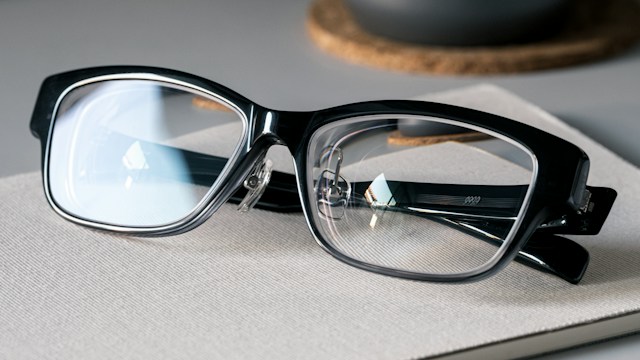
Imagine walking into a crowded room at a networking event. Someone walks up to you, shakes your hand, and starts chatting like an old friend. You know you have met them before, but your brain completely blanks on their name. Normally, you would spend the rest of the conversation panicking. But with a sleek pair of AI glasses resting on your face, a subtle digital prompt pops into your field of view, displaying their name, where you last met, and the exact details of your previous conversation.
It sounds like pure science fiction. Yet modern wearable technology, like Meta’s latest Ray-Ban smart glasses, makes this reality possible today. By recording, transcribing, and indexing your entire daily life, these devices ensure you will never forget a face, a name, or a spoken word again.
However, this breakthrough raises a profound and unsettling question: Do you really want your entire life to be permanently recorded, searchable, and stored?
How AI Glasses Capture Your World
The technology behind modern AI glasses packs an immense amount of computing power into a standard-looking eyewear frame. Equipped with high-definition cameras, multi-microphone arrays, and on-board multimodal artificial intelligence, these devices do more than take photos or play music. They actively participate in your waking hours.
As you walk down the street, attend meetings, or hang out with friends, the glasses continuously capture audio and visual data. The integrated assistant processes this feed in real-time, building a searchable personal database of your experiences.
If you cannot remember where you left your keys, what your spouse asked you to pick up from the store, or what a colleague said during a Tuesday meeting, your AI glasses can instantly pull up the memory. While the convenience is undeniable, the privacy implications are staggering.
The Hidden Costs of Constant Surveillance
Wearing a device that records everything you see and hear turns you into a walking surveillance hub. But the privacy violations extend far beyond your own data.
Every person you talk to, pass on the street, or sit next to in a coffee shop is also being recorded without their explicit consent. This constant capture mirrors other invisible digital-tracking threats we face daily. For instance, just as people grow unsettled when hidden TV spy software monitors their living room viewing habits or when a targeted advertisement follows their every click across the web, the proliferation of always-on cameras strips away the last remaining sanctuaries of offline anonymity.
Furthermore, when massive amounts of sensitive personal conversations, video clips, and behavioral data are fed into cloud servers, the risk of corporate overreach or security breaches multiplies. If a hacker manages to compromise your wearable device history, they gain a verbatim transcript of your entire social and professional life.
Striking a Balance in an Always-On World
We live in an era where technology constantly blurs the line between helpful assistance and invasive monitoring. Governments and regulatory bodies are already scrambling to establish boundaries. Just as policymakers enforce strict social media age verification laws to protect minors from digital harms, or debate whether AI tools are helping us or serving as a dangerous intellectual crutch, society will soon need clear rules governing public recording and wearable data harvesting.
Until then, the burden falls on individual users to weigh convenience against privacy. Are you willing to trade away your right to a private, unrecorded life just so you never have to forget a stranger’s name?
The Bottom Line
Wearable AI glasses represent a massive leap forward in personal computing, promising a future where human memory is infinitely expandable. Yet the price of never forgetting anything is the loss of the peaceful luxury of anonymity. As these devices become more popular, we must decide whether a searchable life is truly worth the cost.







Who Owns the Copyright to AI-Generated Images?
If AI Generates an Image, Who Owns the Copyright? The User, the...
Beatriz3 Mins read
Neuralink Brain Chip: What Happens Next?
Imagine a paralyzed patient sitting quietly in front of a computer screen....
Beatriz3 Mins read
Your Smart Doorbell Is an Open Window for Hackers – Lock It in 30 Seconds
Think about your front porch. You likely installed a sleek smart doorbell...
Beatriz2 Mins read

Is AI Workplace Surveillance Becoming Digital Slavery?
Imagine sitting at your desk or standing in a massive warehouse while...
Beatriz2 Mins read





Leave a comment