

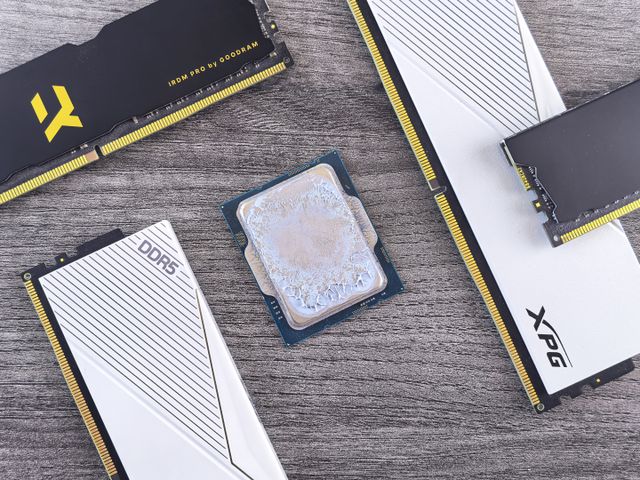
For years, smartphone manufacturers engaged in a silent race to stuff more random-access memory (RAM) into mobile devices. While 4GB was once considered luxurious, today’s flagship smartphones ship with 12GB, 16GB, or even 24GB of memory.
As memory prices surge across the global supply chain, consumers ultimately absorb these higher hardware costs. Evaluating how much memory your phone actually needs in 2026 requires separating clever marketing claims from the real-world demands of software.
What RAM Does inside Your Smartphone
Short-term memory stores active applications, background tasks, and operating system processes. When you switch between a web browser, a messaging app, and a navigation map, RAM keeps those programs open in the background.
If your phone runs out of available memory, the operating system forcibly closes older background processes. As a result, reopening those apps causes a delay while the system reloads them from local storage. Modern operating systems manage memory efficiently, but heavy multitasking demands a larger physical buffer.
The AI Shift: Why Memory Demands Are Rising
Historically, basic app multitasking drove memory upgrades. Today, the push toward on-device artificial intelligence is the single largest driver of RAM expansion.
Running large language models (LLMs) directly on your device requires keeping complex AI parameters continuously loaded in memory. For instance, advanced features like real-time voice translation, live camera object processing, and generative photo editing require dedicated memory space:
- 6GB to 8GB Baseline: Sufficient for standard app switching, high-refresh-rate UI navigation, and basic cloud-assisted AI features.
- 12GB Standard: Essential for running advanced, on-device AI models locally without crashing background applications.
- 16GB and Above: Tailored for heavy mobile gaming, desktop-style display outputs, and uncompressed local generative models.
While power users benefit from higher memory capacities, average consumers who primarily browse the web, stream media, and check social feeds rarely utilize more than 8GB of memory.
Memory Allocations Across Popular Use Cases
Understanding your daily usage helps determine the ideal memory configuration for your next purchase:
| RAM Capacity | Targeted User Profile | Real-World Performance |
| 4GB – 6GB | Light Users & Budget Buyers | Handles calls, messaging, and light browsing. Background apps reload frequently. |
| 8GB | Everyday Consumers | Delivers smooth multitasking, fast camera processing, and support for basic AI features. |
| 12GB | Power Users & Tech Enthusiasts | Keeps dozens of apps suspended without reloads. Enables advanced on-device AI models. |
| 16GB+ | Pro Creators & Mobile Gamers | Supports heavy video rendering, simultaneous multi-window desktop modes, and future-proofing. |
Enterprise Hardware and Digital Governance
Balancing device specifications across a corporate fleet demonstrates that AI transformation and hardware deployment are governance problems. Over-provisioning high-RAM hardware across an entire workforce increases capital expenditure without yielding proportional productivity gains. Conversely, under-provisioning hardware limits the deployment of secure, local AI automation tools.
To protect your corporate perimeter and optimize fleet costs, IT leads must align endpoint hardware with specific employee roles. Regularly reviewing our analysis of the latest cybersecurity updates helps network architects maintain strict control over connected mobile assets.
Furthermore, managing automated software deployments across mixed hardware fleets requires clear orchestration. To discover how intelligent management pipelines can streamline enterprise device policies, review our comprehensive guide on AI automation tools. You can also stay informed on shifting hardware manufacturing trends and platform releases by bookmarking our latest technology news network.
The Bottom Line
For most users in 2026, 8GB of RAM remains the sweet spot between smooth performance and reasonable pricing. If you rely heavily on advanced, on-device AI tools or multitask continuously across complex applications, upgrading to 12GB provides tangible benefits. However, purchasing 16GB or higher purely for standard daily use adds unnecessary costs without delivering a noticeable performance boost.





What Does mAh Mean in a Phone Battery?
When shopping for a smartphone, battery specification lists are dominated by a...
 Beatriz3 Mins read
Best Streaming Devices for 2026: Top Picks Compared
Smart TVs are ubiquitous, yet many native television operating systems still lag...
Beatriz2 Mins read

GrapheneOS Explained: Privacy, Security, and Legal Debate
The intersection of mobile privacy engineering and law enforcement access has reached...
Beatriz2 Mins read

IPsec Explained: How Internet Protocol Security Works
The Internet Protocol Suite was originally designed without native security controls, leaving...
Beatriz3 Mins read


Leave a comment