

Will AI Take Over Cyber Security? Understanding the Future of Cybersecurity Careers
 Zahra_AlialialiJuly 31, 20266 Mins read111
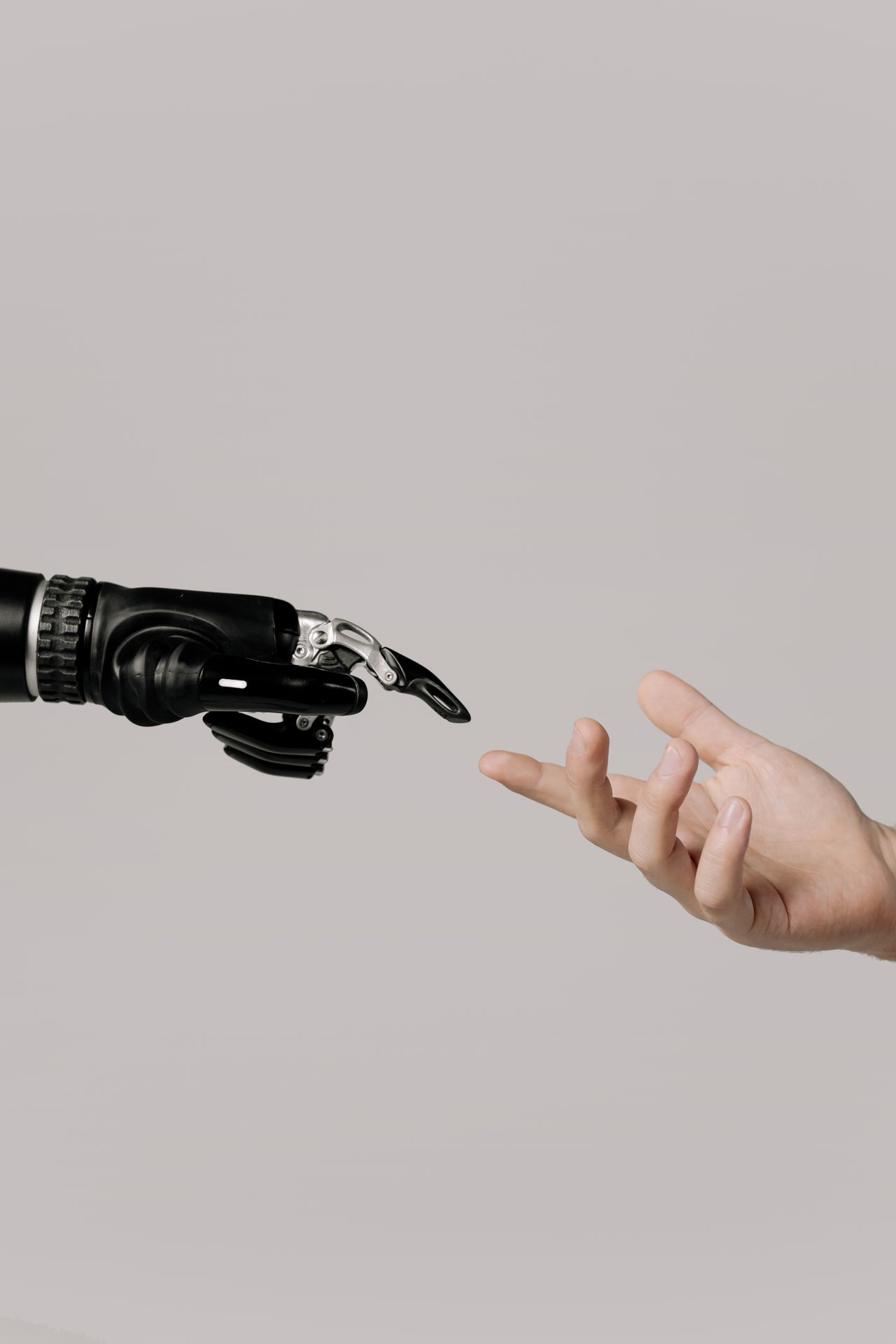
Artificial intelligence (AI) is transforming industries around the world, and cybersecurity is no exception. From detecting malware to identifying suspicious network activity, AI-powered tools are helping organizations respond to threats faster than ever before. As these technologies continue to improve, many professionals and students are asking the same question: will AI take over cyber security?
The short answer is no—but AI will significantly change how cybersecurity professionals work. Instead of replacing humans entirely, AI is becoming a powerful assistant that automates repetitive tasks, analyzes massive amounts of data, and helps security teams make faster decisions.
Cybercriminals are also using AI to develop more sophisticated attacks, making cybersecurity an ongoing race between defenders and attackers. This means organizations need both advanced AI systems and skilled cybersecurity professionals to stay protected.
In this guide, we’ll explore will AI take over cyber security, how AI is changing the industry, which cybersecurity tasks can be automated, and why human expertise will remain critical in the years ahead.
Why AI Is Becoming Important in Cybersecurity
Every day, organizations generate enormous amounts of security data from:
- Firewalls
- Endpoint devices
- Cloud platforms
- Email systems
- Applications
- Network equipment
- Identity management systems
Security teams cannot manually analyze millions of security events every day.
AI helps by:
- Detecting suspicious behavior
- Identifying malware
- Prioritizing alerts
- Recognizing attack patterns
- Automating repetitive investigations
Without AI, many organizations would struggle to respond quickly enough to modern cyber threats.
Why People Ask, “Will AI Take Over Cyber Security?”
AI has already demonstrated impressive capabilities in many fields, including software development, customer service, healthcare, and content creation.
Modern AI systems can:
- Write code
- Analyze logs
- Detect vulnerabilities
- Summarize incidents
- Generate reports
- Assist with investigations
As these capabilities improve, it is natural to wonder whether cybersecurity professionals will eventually become unnecessary.
However, cybersecurity is far more than analyzing data. It involves decision-making, risk assessment, strategy, communication, compliance, and adapting to constantly changing threats—areas where human expertise remains essential.
How AI Is Transforming Cybersecurity
Rather than replacing professionals, AI is changing how security teams operate.
Faster Threat Detection
AI can analyze billions of events much faster than humans.
Machine learning models recognize unusual activity that may indicate:
- Malware
- Insider threats
- Credential theft
- Network intrusions
- Data exfiltration
This allows analysts to investigate genuine threats sooner.
Security Automation
Many repetitive cybersecurity tasks can now be automated.
Examples include:
- Alert triage
- Log analysis
- Malware classification
- Vulnerability prioritization
- Ticket creation
- Report generation
Automation allows security teams to spend more time on high-value work.
Improved Incident Response
AI helps incident response teams quickly identify:
- Attack timelines
- Compromised devices
- Affected users
- Recommended containment actions
This reduces response times and minimizes business disruption.
Behavioral Analytics
Instead of relying only on known attack signatures, AI analyzes user and system behavior.
It can identify unusual activities such as:
- Impossible travel logins
- Abnormal data transfers
- Privilege escalation
- Suspicious API usage
- Unexpected administrator actions
Behavior-based detection improves protection against previously unknown threats.
Cybersecurity Tasks AI Can Automate
Some cybersecurity responsibilities are well suited for automation.
These include:
- Security event correlation
- Log analysis
- Malware detection
- Email spam filtering
- Phishing detection
- Threat intelligence aggregation
- Compliance reporting
- Routine vulnerability scanning
- Security dashboard creation
Automating these activities helps organizations improve efficiency while reducing analyst fatigue.
Cybersecurity Tasks That Still Need Humans
Although AI is becoming increasingly capable, many critical cybersecurity responsibilities require human judgment.
Strategic Security Planning
Organizations need professionals to design security programs that align with business goals, regulatory requirements, and risk tolerance.
AI can provide recommendations, but it cannot fully understand an organization’s priorities or make executive decisions.
Ethical Hacking
Penetration testers and ethical hackers rely on creativity, curiosity, and real-world problem-solving to uncover weaknesses.
Attack simulations often require thinking like an adversary—something AI can assist with but cannot fully replicate.
Incident Leadership
Major cyber incidents require coordination between technical teams, executives, legal advisors, law enforcement, and public relations.
Human leaders are essential for making informed decisions under pressure.
Security Architecture
Designing secure cloud environments, zero trust frameworks, identity management systems, and enterprise networks requires experience and business context that AI cannot replace.
Will AI Replace SOC Analysts?
Security Operations Center (SOC) analysts spend much of their time reviewing alerts, investigating suspicious activity, and responding to security incidents. AI is already automating many of these repetitive tasks by filtering false positives, correlating events, and prioritizing high-risk alerts.
However, AI cannot completely replace SOC analysts. Human analysts are still needed to:
- Investigate complex attacks
- Validate AI-generated findings
- Coordinate incident response
- Understand business context
- Make risk-based decisions
- Improve detection rules
Instead of eliminating SOC analyst roles, AI is helping them work more efficiently and focus on higher-value investigations.
Will AI Replace Ethical Hackers?
Ethical hackers and penetration testers simulate cyberattacks to identify weaknesses before criminals can exploit them. AI can assist by scanning for vulnerabilities, generating attack scenarios, and analyzing security configurations.
However, ethical hacking requires creativity, adaptability, and an understanding of how real attackers think. Human testers often discover vulnerabilities that automated tools miss because they combine technical skills with critical thinking and experience.
Rather than replacing ethical hackers, AI is becoming a valuable tool that enhances penetration testing by automating routine tasks and providing additional insights.
How Cybercriminals Are Using AI
AI is not only benefiting defenders—it is also being used by attackers to improve the speed and sophistication of cyberattacks.
Examples include:
- AI-generated phishing emails
- Deepfake voice and video scams
- Automated malware development
- Password guessing optimization
- Social engineering campaigns
- Vulnerability discovery
- Automated reconnaissance
- Fake customer support chatbots
As attackers adopt AI, organizations must continue investing in both advanced security technologies and skilled professionals to stay ahead.
Skills That Will Keep Cybersecurity Professionals Valuable
As AI becomes more common, cybersecurity professionals should focus on developing skills that are difficult to automate.
Critical Thinking
Security incidents often involve incomplete information, conflicting evidence, and rapidly changing situations. Human judgment remains essential for making informed decisions.
Cloud Security
Organizations continue migrating to cloud platforms, increasing demand for professionals who understand cloud architecture, identity management, and workload protection.
Threat Hunting
Threat hunters proactively search for hidden attackers using experience, intuition, and investigative techniques that go beyond automated alerts.
Security Architecture
Designing secure systems, Zero Trust environments, and enterprise security frameworks requires strategic planning and collaboration across multiple teams.
Communication Skills
Cybersecurity professionals regularly explain technical risks to executives, legal teams, regulators, and customers. Strong communication skills cannot easily be replaced by AI.
Continuous Learning
Cybersecurity changes rapidly. Professionals who regularly update their knowledge about new threats, technologies, and regulations will remain valuable regardless of advances in AI.
How AI and Humans Will Work Together
The future of cybersecurity is not AI versus humans—it is AI working alongside humans.
AI excels at:
- Processing massive datasets
- Detecting patterns
- Automating repetitive work
- Responding quickly
- Reducing false positives
Humans excel at:
- Strategic decision-making
- Creative problem-solving
- Ethical judgment
- Business understanding
- Complex investigations
- Leadership during incidents
Organizations that successfully combine AI with experienced cybersecurity teams will build stronger and more resilient security programs.
Future of Cybersecurity Careers
The demand for cybersecurity professionals continues to grow as organizations face increasingly sophisticated threats. Rather than reducing opportunities, AI is expected to reshape many roles by automating routine work and creating demand for new skills.
Future cybersecurity careers are likely to focus more on:
- AI security governance
- AI threat detection
- Cloud security
- Zero Trust architecture
- Identity and access management
- Digital forensics
- Threat intelligence
- AI-assisted security operations
Professionals who understand both cybersecurity principles and AI technologies will be well positioned for long-term career growth.
Conclusion
So, will AI take over cyber security? The evidence suggests that AI will transform cybersecurity rather than replace it. AI already helps detect threats, automate repetitive tasks, analyze vast amounts of security data, and improve incident response. These capabilities make security teams faster and more effective, but they do not eliminate the need for human expertise.
Cybersecurity remains a field that depends on strategic thinking, creativity, ethical decision-making, and collaboration. Professionals are still needed to investigate sophisticated attacks, design secure systems, manage risk, and lead organizations through security incidents. At the same time, cybercriminals are using AI to enhance their own attacks, making experienced defenders even more important.
Instead of asking whether AI will replace cybersecurity professionals, a better question is how security teams can use AI to improve their capabilities. Those who embrace AI, continue learning, and develop advanced technical and problem-solving skills will remain in high demand as the cybersecurity landscape evolves.
FAQs
Will AI take over cyber security completely?
No. AI can automate many repetitive cybersecurity tasks, but human professionals are still essential for strategic planning, complex investigations, ethical decision-making, and incident leadership.
Will AI replace ethical hackers?
No. AI can assist ethical hackers by automating vulnerability discovery and analysis, but human creativity, critical thinking, and real-world testing remain essential.
Will SOC analysts lose their jobs because of AI?
AI is expected to automate routine alert analysis and repetitive investigations, allowing SOC analysts to focus on more advanced threat detection and incident response rather than replacing them entirely.
Can AI stop cyberattacks on its own?
AI significantly improves threat detection and response, but it cannot prevent every attack without human oversight. Effective cybersecurity combines AI-powered tools with experienced security professionals.
How are hackers using AI?
Cybercriminals use AI to create convincing phishing emails, automate reconnaissance, generate malware variations, conduct social engineering attacks, and improve password-cracking techniques.
What cybersecurity skills will remain valuable in the AI era?
Skills such as cloud security, threat hunting, security architecture, digital forensics, incident response, risk management, communication, and strategic planning will continue to be highly valuable.
Should I still pursue a cybersecurity career?
Yes. Cybersecurity remains one of the fastest-growing technology fields. AI is changing how professionals work, but it is also creating new opportunities for those who understand both cybersecurity and AI technologies.
How can cybersecurity professionals prepare for an AI-driven future?
Stay current with emerging AI tools, strengthen your understanding of cloud and network security, develop automation skills, learn scripting languages, and continue building expertise in areas such as incident response, threat intelligence, and security architecture.








Endpoint Security Management
Modern businesses depend on connected devices more than ever before. Laptops, smartphones,...
Zahra_Alialiali4 Mins read

Linux Security: Complete Beginner Guide for 2026
Linux is one of the most widely used operating systems in the...
Zahra_Alialiali4 Mins read

How to Secure a Website from Attacks: Complete 2026 Guide
Websites are constantly targeted by cybercriminals looking for vulnerabilities to exploit. From...
Zahra_Alialiali4 Mins read
Kali Linux Tools List: Top Tools for Ethical Hacking and Security Testing
Kali Linux is one of the most powerful operating systems used in...
Zahra_Alialiali3 Mins read





Leave a comment